
Maintaining optimal oral hygiene is essential for overall health, and using the right toothbrush is a fundamental part of this routine. Among the top brands in the market, Oral-B stands out for its innovative electric toothbrushes and high-quality brush heads. However, a common question among users is, “How long do Oral B brush heads last?” Understanding the lifespan of your brush head is crucial for ensuring effective brushing, maintaining oral health, and getting the best results from your Oral-B electric toothbrush. This comprehensive guide explores the factors influencing the longevity of Oral B brush heads, signs that indicate it’s time for a replacement, and best practices to maximize their lifespan.
Understanding the Importance of Brush Head Replacement
Toothbrushes, whether manual or electric, are pivotal in removing plaque, preventing tooth decay, and maintaining healthy gums. The brush head, specifically, is responsible for the actual cleaning action on your teeth and gums. Over time, the bristles on the brush head wear down, becoming less effective at cleaning and more likely to harbor bacteria. Regularly replacing your brush head ensures that you continue to receive the maximum benefits of your Oral B toothbrush, promoting better oral hygiene and overall dental health.
How Long Do Oral B Brush Heads Last?
 Like most dental professionals, Oral-B recommends replacing your electric toothbrush head every three months. This guideline aligns with the general recommendation for manual toothbrushes and is based on the wear and tear that brush heads experience over time. However, several factors can influence how long an Oral B brush head will last, potentially necessitating earlier replacement.
Factors Influencing Brush Head Longevity
- Frequency of Use: The more often you use your toothbrush, the faster the bristles will wear out. Daily use means your brush head will reach the end of its effective lifespan sooner than occasional use.
- Brushing Technique: Aggressive brushing or pressing too hard can cause the bristles to fray and wear down more quickly. Gentle brushing with proper technique helps extend the life of your brush head.
- Storage Conditions: Proper storage is essential for maintaining the integrity of your brush head. Keeping it dry and away from bacteria helps prevent premature wear and contamination.
- Water Hardness: Hard water can contribute to the degradation of brush bristles over time. Using filtered water or ensuring thorough drying can help mitigate this effect.
- Personal Oral Health Needs: Individuals with specific oral health issues, such as sensitive teeth or gum disease, may require more frequent brush head changes to maintain optimal cleaning performance.
Signs It’s Time to Replace Your Oral B Brush Head
Knowing when to replace your brush head is as important as the replacement itself. Here are some clear indicators that it’s time for a new Oral B brush head:
1. Worn or Frayed Bristles
One of the most obvious signs that your brush head needs replacement is when the bristles become frayed or splayed. Worn bristles are less effective at removing plaque and can even cause damage to your gums and enamel.
2. Change in Brushing Effectiveness
If your teeth feel less clean or you’re experiencing more plaque buildup despite regular brushing, it might be time to change your brush head. Effective brushing relies on the integrity of the bristles to reach and clean all surfaces of your teeth.
3. Discoloration of the Brush Head
Over time, brush heads can become discolored due to toothpaste, food particles, and bacteria accumulation. While some discoloration is normal, excessive staining or visible mold growth indicates that your brush head should be replaced immediately.
4. Visible Wear and Tear
Any visible signs of wear and tear, such as bent bristles or structural damage to the brush head, indicate it’s time for a replacement. Using a damaged brush head can compromise your brushing efficiency and oral health.
5. Monthly Replacement Reminder
Some Oral B toothbrush models come with a built-in replacement reminder that alerts you when changing your brush head is time. Paying attention to these reminders can help you maintain a regular replacement schedule.
Best Practices for Replacing Your Brush Head
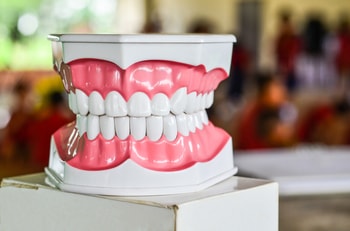 To ensure that you get the best results from your Oral B electric toothbrush, follow these best practices for replacing your brush head:
1. Stick to the Three-Month Rule
Even if you don’t notice obvious signs of wear, replacing your brush head every three months is a good practice. This regular replacement schedule ensures that your brush head effectively cleans your teeth and maintains oral hygiene.
2. Replace Sooner if Necessary
If you experience any of the signs mentioned earlier, such as frayed bristles or reduced brushing effectiveness, replace your brush head sooner than the three-month recommendation. Prompt replacement can prevent potential oral health issues.
3. Choose the Right Brush Head for Your Needs
Oral B offers a variety of brush heads designed for different oral health needs, such as sensitive teeth, whitening, or deep cleaning. Selecting the appropriate brush head can effectively enhance your brushing experience and address specific dental concerns.
4. Properly Dispose of Old Brush Heads
Proper disposal of used brush heads helps maintain a clean bathroom environment and prevents bacteria spreading. Many Oral B brush heads are recyclable, so check with your local recycling guidelines or Oral B’s recycling programs.
5. Keep Track of Replacement Dates
Marking your replacement dates on your calendar or using a reminder app can help you track when to change your brush head, ensuring you don’t miss the optimal replacement window.
Conclusion
Understanding how long do Oral B brush heads last is essential for maintaining effective oral hygiene and ensuring the longevity of your electric toothbrush. By adhering to the recommended three-month replacement schedule, monitoring the condition of your brush heads, and following best practices for care and storage, you can maximize the benefits of your Oral B toothbrush and maintain optimal oral health. Regularly replacing your brush head enhances brushing efficiency and prevents oral health issues such as tooth decay, gum disease, and bad breath.
Investing in the right brush head and maintaining a consistent replacement routine is a small but significant step towards achieving a healthy, radiant smile. Always consult with your dentist for personalized recommendations and address any specific oral health concerns. By prioritizing the timely replacement of your Oral B brush heads, you ensure that your oral care routine remains effective and that your teeth and gums stay healthy.
References
https://www.ncbi.nlm.nih.gov/pmc/articles/PMC10928086/
https://www.ncbi.nlm.nih.gov/pmc/articles/PMC7379636/
https://oralb.com/en-us/how-often-should-i-change-my-oral-b-toothbrush-head/#:~:text=Dentists%20recommend%20replacing%20toothbrush%20head,to%20replace%20your%20toothbrush%20head.